
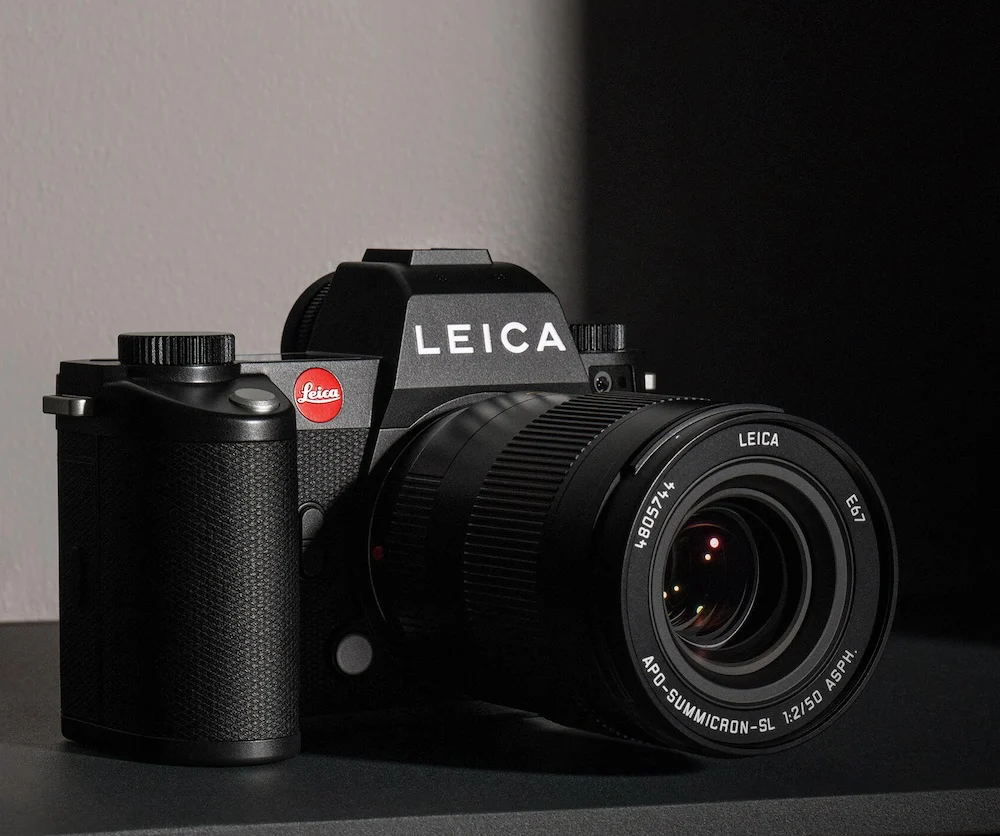
Leica is not a brand; it is a religion. For over a century, the Red Dot has been the most revered symbol in the world of photography. Born in Wetzlar, Germany, the invention of the Leica M system liberated photographers from massive tripods, birthing the entire genre of modern photojournalism and street photography. Henri Cartier-Bresson, Robert Capa, and Sebastião Salgado—the masters who visualized the 20th century—did so through the uncompromising optics of a Leica rangefinder. The allure of a Leica is deeply emotional; it is a meticulously hand-assembled mechanical masterpiece of brass and magnesium that feels less like an electronic device and more like a precise, surgical instrument.
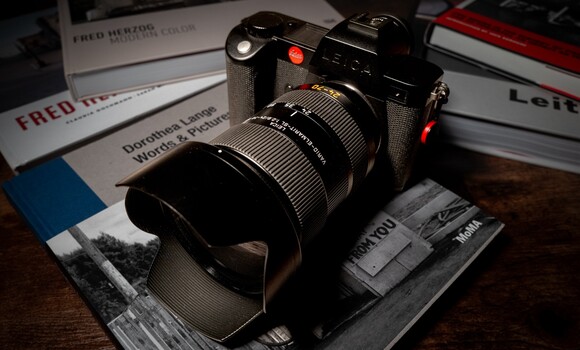
The Optical Purity of the M System
The Leica M-System remains the absolute core of the brand’s identity. The insistence on manual focus through an optical rangefinder is a deliberate rejection of modern automation. It forces the photographer to slow down, to anticipate the moment, and to engage physically with the distance and the subject. This tactile engagement is paired with Leica lenses—the Summilux and Noctilux—which are widely considered the finest optics on the planet. They produce a distinct visual signature, often referred to as the “Leica Look”: a combination of searing sharpness at the point of focus and a creamy, ethereal rendering of the out-of-focus areas (the bokeh).
Leica’s dedication to optical purity is most evident in their Monochrom cameras—digital sensors that have had their color filter arrays physically removed, resulting in black-and-white images of staggering dynamic range and terrifying sharpness. While Leica has successfully integrated modern technology with its SL and Q series, the brand never compromises its material integrity. A Leica is a heavy, cold, perfect object. In an era where billions of AI-enhanced photos are taken on smartphones every day, Leica represents the profound, enduring value of intentional, human-driven art.