
Minerva Review: A Practical Guide for UK Dressmakers
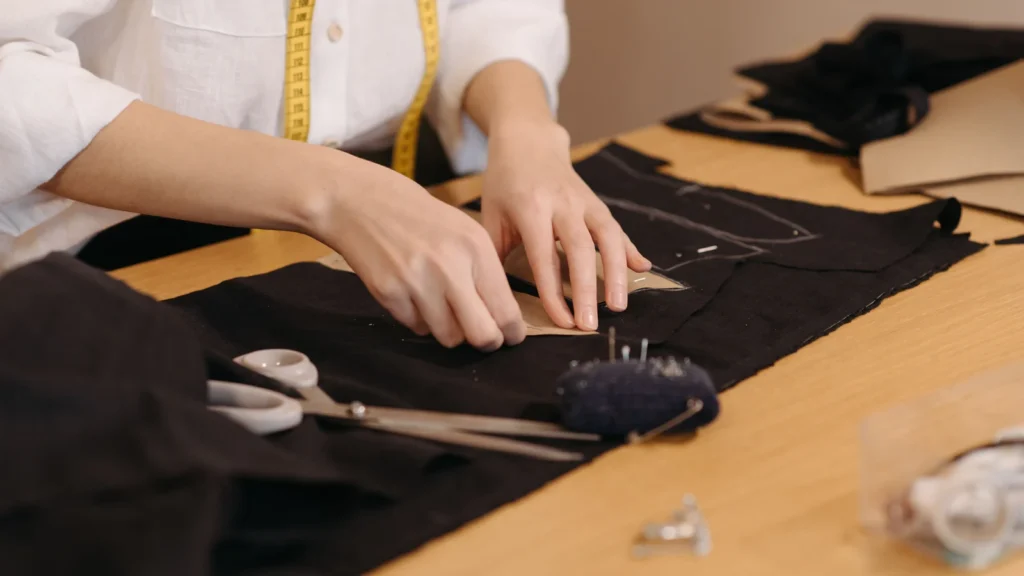
A beautiful print can start a sewing project. The right basecloth, pattern and buying decisions help finish it. Minerva offers plenty of creative possibilities, but its usefulness depends on how carefully you match those possibilities to the garment you want to make.
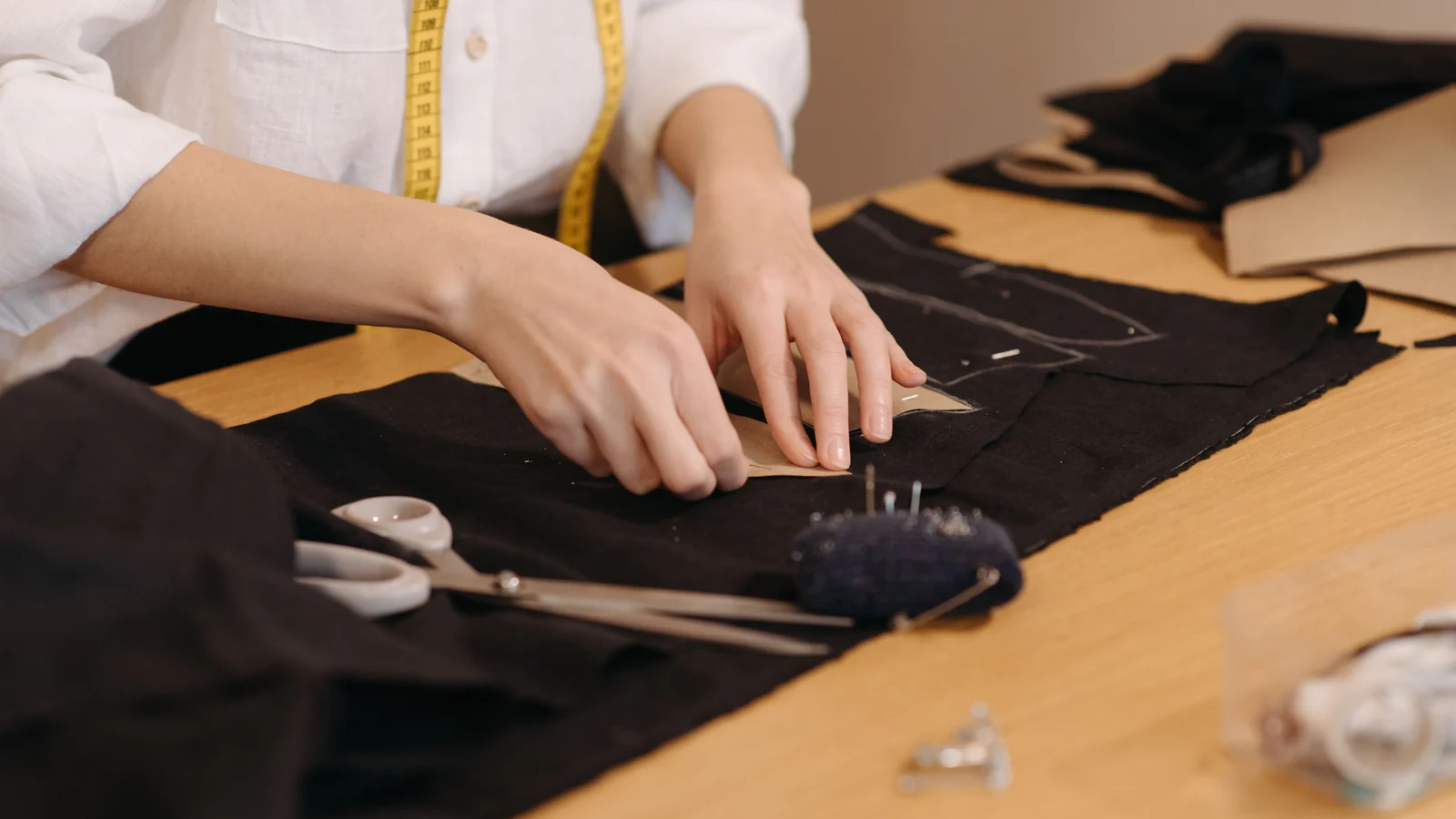
Buying fabric online asks you to imagine something a photograph cannot fully explain: how a cloth will move, feel and behave once it becomes clothing. A striking print might make a lovely shirt yet feel wrong for a softly gathered dress. A tempting remnant might be excellent value yet too short for the sleeves you had planned. Minerva’s appeal is the opportunity to explore fabrics, patterns and sewing essentials together. The challenge is turning that choice into a coherent project, without letting an attractive basket get ahead of your sewing plans.
- Fabric, sewing patterns and haberdashery are available from the same retailer, supporting coordinated project shopping.
- Listed fabric categories include jersey, challis, lawn, poplin, denim, crepe, satin and chiffon.
- Minerva Exclusive Patterns are described as available in print and digital formats, with several PDF output options.
- Exclusive print basecloth samples are advertised, offering a potential way to assess cloth before buying project quantities.
- The supplied delivery page distinguishes warehouse handling time from delivery time and explains how mixed orders are dispatched.
- The breadth of the range still requires careful checks of fabric suitability, pattern requirements and quantities.
- Print-on-demand fabrics and items fulfilled from third-party warehouses may take longer to dispatch.
- A mixed basket usually follows the handling time of its slowest item.
- The supplied homepage’s returns summary does not establish detailed eligibility for cut fabric, digital patterns or other specific purchases.
- Fabric quality, colour accuracy, customer service and pattern fit have not been independently tested for this editorial.
Explore Minerva fabrics and patterns
What is Minerva, and who is its range for?
Minerva presents itself as a fabric, sewing pattern and haberdashery retailer, and its supplied homepage says the business has been family owned and run for more than 25 years. For a dressmaker, the more useful detail is the relationship between those categories. A pattern determines the fabric behaviour and notions a garment needs; browsing those elements together can make planning more convenient. That convenience matters most when it helps you assemble a complete project.
The supplied pages list patterns for dresses, tops, trousers, skirts, jackets, jumpsuits, sweaters and shirts. Fabric categories span several different dressmaking needs, from jersey and denim to lawn and chiffon. This makes Minerva a plausible starting point for different kinds of wardrobe sewing. It does not mean every fabric within a category suits every pattern carrying the same garment name. A fitted woven dress and a stretch dress may look similar on a hanger while demanding very different materials.
The strongest reason to consider Minerva is this range of project components and creative options. Whether it is the best retailer for your next make depends on more specific questions: does it have the right cloth, in sufficient quantity, with the information and timing you need? Those questions are more revealing than the size of a sale banner.
Buying dressmaking fabric from Minerva: start with behaviour
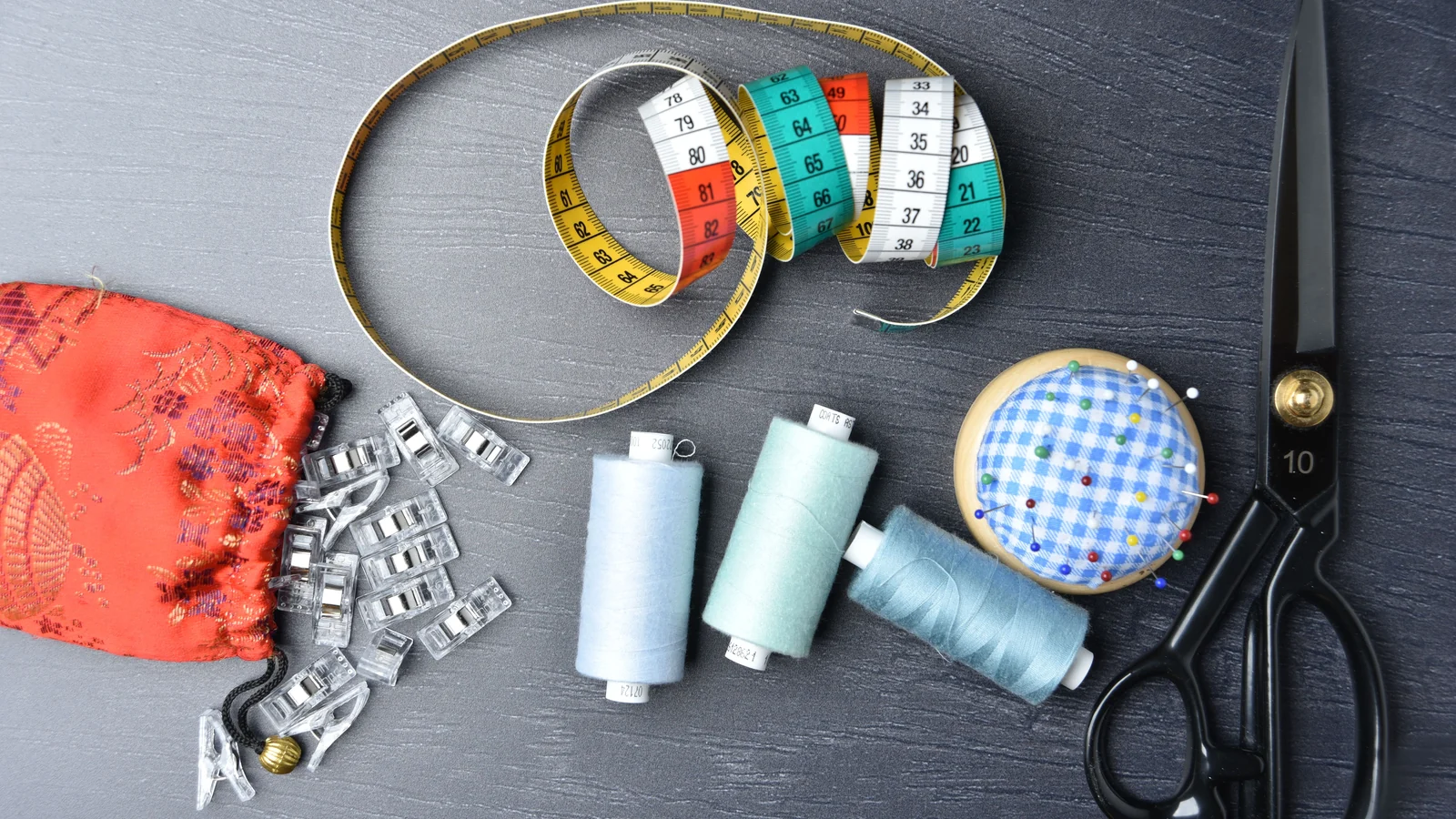
Begin with the pattern’s recommended fabrics, then translate those recommendations into practical requirements. Does the garment need structure to hold a collar, softness to fall into gathers, or stretch to move comfortably without a zip? Fabric names are useful signposts, but they are not complete specifications. Fibre content, weight, width, construction and stretch can all affect whether a particular cloth works.
For a crisp shirt, you might investigate the poplin category; for a flowing silhouette, you might explore challis or crepe. These are starting points, not endorsements of individual listings. Within any category, inspect the product information and compare it with your pattern. A fabric that appears opaque when folded may behave differently in a single layer, while a large print may dominate a small garment or disappear into numerous seams.
Width deserves particular attention because it affects the amount you need. Use the fabric requirement for your size and the relevant width rather than transferring a metreage figure from an unrelated project. Directional prints, checks, extra length and pattern matching can increase requirements. If you plan to alter sleeves or lengthen a skirt, work through the layout before ordering.
The supplied material contains no independent information about shrinkage, pilling, colourfastness or repeated washing. These remain questions for the individual fabric, not qualities that can be awarded to the retailer as a whole. Follow the relevant care guidance and consider how the finished garment will fit into your normal laundry routine.
Minerva Exclusive prints: why the basecloth matters
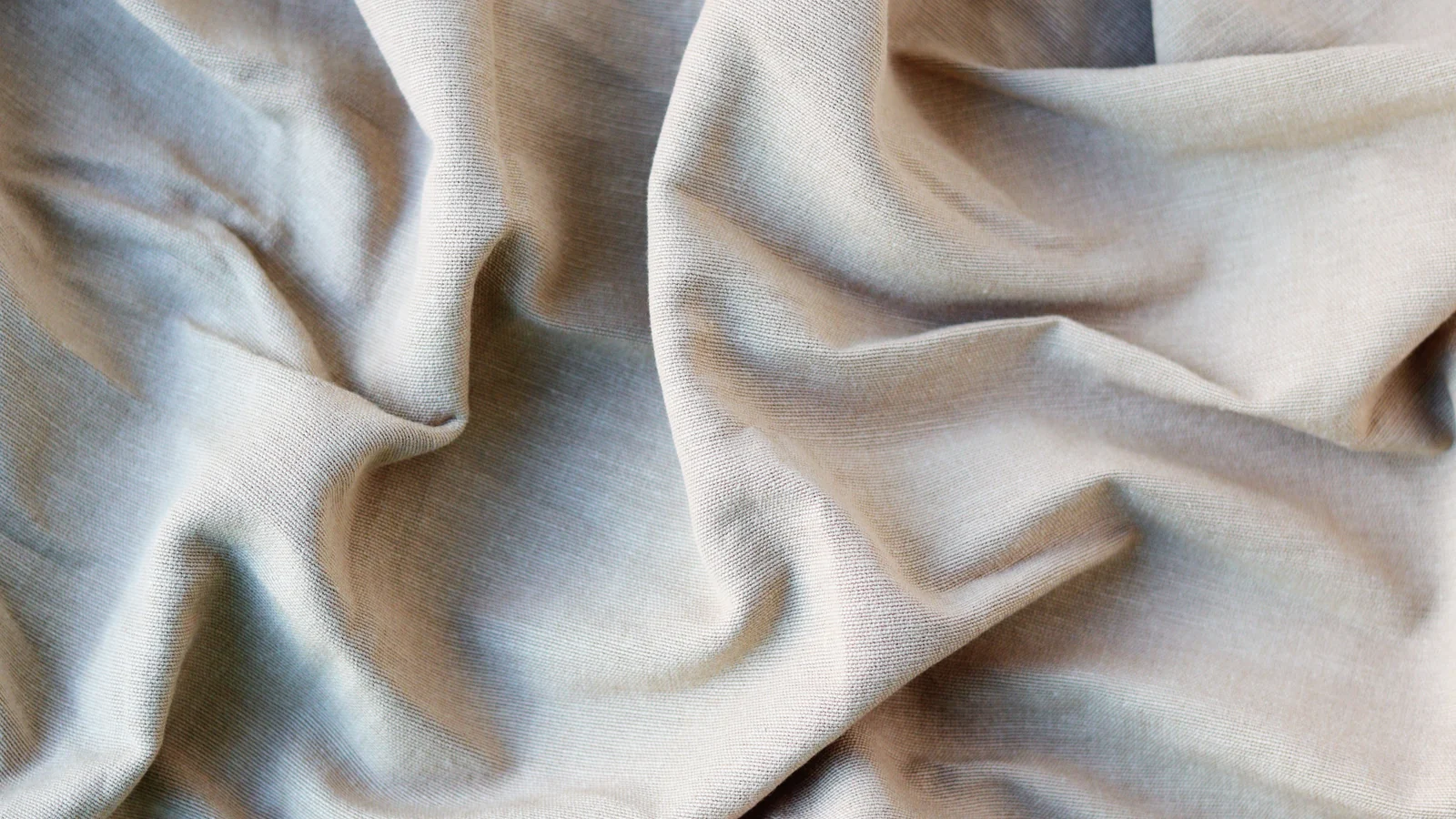
Minerva’s homepage highlights exclusive print-on-demand fabrics and lists basecloth options including viscose challis, denim twill, cotton jersey, linen viscose, cotton poplin, cotton lawn, silky satin and ponte roma. The creative attraction is easy to understand: a print is only one part of the design decision, and the underlying cloth helps determine what sort of garment it can become.
A motif on a soft, fluid fabric can create a different impression from a similar motif on a firmer cloth. Gathered volume, clean pleats and close-fitting stretch shapes all ask different things of the material beneath the design. Do not assume a print shown on one basecloth will have the same surface appearance, body or movement on another. Check which options are actually available for the design you want.
The homepage also advertises Quick Ship Samples for its exclusive basecloth range. A relevant sample can help answer tactile questions about thickness, texture and drape. Establish what the sample represents before ordering: a basecloth sample may help you understand the substrate without resolving every question about your chosen print’s colour or scale. The supplied extract does not specify sample prices or full coverage.
Print-on-demand also introduces a timing consideration. Minerva’s delivery information says this range may take longer to dispatch, with estimated handling times stated on product pages. For an occasion outfit, treat that handling period as part of the sewing schedule, alongside delivery, preparation, fitting and construction.
Sewing patterns at Minerva: paper, PDF and practical choices
Minerva describes its Exclusive Patterns as available in printed and digital PDF formats. The supplied homepage says its PDFs include instruction booklets and layered pattern files for A4 home printing, A0 print-shop output and projector use. These options can suit different sewing setups, but check the individual listing before buying and make sure you understand which format is in your basket.
A4 printing gives home printers a practical route to full-size pattern pieces, although trimming and assembling sheets takes time. A0 output can reduce that assembly work but adds printing arrangements and potential expense. Projector files are relevant only if you already have a suitable setup or intend to establish one. File flexibility is useful when it matches your equipment and preferred way of working.
Paper patterns remain a sensible choice for sewists who prefer physical sheets and fewer printing decisions. The supplied homepage also describes Now and Then vintage-style patterns as paper patterns in UK sizes, with illustrated instructions. Whatever the brand, use the pattern’s own measurement chart and any available finished-garment measurements. Your usual high-street clothing size is not a reliable substitute for those checks.
Minerva also advertises a free Minerva with McCall’s PDF collection, accessed by creating an account and signing up to its newsletter. This is a conditional merchant offer described in the supplied material; check the terms available when you visit. A free pattern can still involve printing, fabric and notions costs, so choose one because it suits your skills and wardrobe.
Is Minerva deadstock fabric worth considering?
Minerva describes deadstock as fabric left unsold by a mill or remaining from a brand’s production run. Its homepage promotes an ex-designer deadstock collection. For a dressmaker, the attraction is finding cloth with a character or finish that fits a particular idea. The words ex-designer alone do not establish durability, comfort, composition or suitability.
Treat a deadstock listing with the same scrutiny as any other fabric purchase. Check the stated fibre content, width, care requirements and available quantity. If your garment needs matching checks or a carefully placed motif, account for that before deciding how much to buy. Do not plan around being able to obtain an identical length later; the supplied pages do not establish restocking for a particular cloth.
Deadstock can be an appealing use of existing material, but the extract does not provide the traceability needed to assess each fabric’s environmental impact. A more useful personal question is whether you have a realistic plan to use it. Cloth that becomes a regularly worn garment offers clearer practical value than a bargain that remains indefinitely in storage.
Minerva UK delivery: understand the two separate clocks
The supplied delivery page states that most products are held at Minerva’s warehouse in Darwen and typically dispatch within one to three working days. It separately gives delivery estimates measured from dispatch. These are two stages of the order journey: choosing a faster postal service does not itself remove the time needed to prepare an order.
In the supplied snapshot, UK standard delivery is listed at £3.99, or free with a £50 spend, with an estimated delivery time of two to three working days after dispatch. Express delivery is listed at £7.99 and courier delivery at £19.99, each with an estimated one-working-day delivery time after dispatch. These are the merchant’s stated terms in the supplied material, not a checkout quote or an independently verified service result. Confirm the applicable charges and estimates before paying.
The detail most likely to affect a project is the mixed-order policy. Minerva says it usually sends multiple items together, following the dispatch timeframe of the item with the longest handling time. A basket containing warehouse stock and a slower print-on-demand item may therefore leave later than you expect from looking at the warehouse item alone.
For a time-sensitive project, ask Minerva to clarify stock and dispatch information before ordering; the delivery page explicitly invites urgent-order enquiries. Leave room in your own timetable for preparing fabric, making a toile where appropriate and correcting fit. A delivery estimate cannot account for the sewing work still ahead.
Is Minerva good value? Calculate the whole project
The useful figure is the cost of a garment you expect to finish and wear. Fabric metreage, pattern format, printing, thread, fastenings, interfacing, lining and delivery can all contribute. A lower price per metre may be offset by a narrower width or an additional lining requirement. Equally, a more expensive fabric may make sense if its properties are especially well suited to the intended garment.
Minerva’s homepage advertises Craft Club membership with a 10% saving on orders over 12 months. The supplied extract does not establish the membership fee or complete terms, so it cannot support a firm recommendation to join. Compare the current fee with the savings on eligible purchases you already expect to make. Check exclusions and how discounts interact before treating the headline percentage as a saving on your whole sewing budget.
Free delivery deserves similar discipline. Adding a necessary zip or thread to reach a threshold can be sensible if you have confirmed compatibility. Adding unplanned fabric simply to avoid postage may increase your spending substantially. Compare the final baskets, including delivery, and prefer the one that meets your actual needs.
The supplied homepage includes several promotional offers, but they are not the foundation of this recommendation. Promotions change, and discounted cloth still needs to suit a project. A clear plan is the most reliable way to turn a favourable price into value.
Returns and buying confidence: what remains unverified
The homepage states that Minerva offers a free 30-day returns service for UK orders. That summary is useful, but the supplied material does not include the detailed returns policy. It does not establish how the service applies to cut lengths, downloaded patterns, print-on-demand fabrics or other specific circumstances. Check the relevant conditions before placing an order you may need to return.
There is also no basis here for claims about packaging quality, customer-service response times, colour accuracy or long-term fabric performance. These would require evidence beyond a homepage and delivery extract. This editorial evaluates the described range and purchasing terms; it does not report a parcel opening, sewing trial or customer survey.
For a first order, choose a manageable project whose material requirements you understand. Where available and relevant, use a sample to resolve uncertainty before buying a full length. Keep a note of the specification and care information, then assess the fabric before cutting or washing it. If something appears wrong, check the retailer’s instructions and contact it before taking steps that may affect a return.
Range and project planning: a clear reason to consider it
The supplied pages establish multiple fabric categories, garment pattern categories and haberdashery. This supports Minerva’s appeal as a place to source different project components. The usefulness of that range still depends on finding compatible items in the quantities you need.
Fabric quality and handling: product-level evidence needed
Basecloth choice and advertised samples offer useful ways to investigate suitability. No numerical quality score is justified without examining specific cloth. Feel, shrinkage, recovery, opacity and wash performance remain untested.
Pattern formats: useful flexibility
The stated print and PDF options for Minerva Exclusive Patterns accommodate several working methods. A4, A0 and projector files offer practical choice, while fit, instruction clarity and construction accuracy would need assessment of individual patterns.
Delivery planning: helpful stated distinctions
The delivery extract explains handling periods, transit estimates and the effect of slower items in mixed baskets. This supports informed scheduling. It does not demonstrate actual delivery reliability, and the stated times remain estimates.
Value for money: dependent on the project
Value depends on usable fabric, suitable patterns and a complete basket. Membership and delivery thresholds may help some shoppers, but neither justifies extra spending by itself. Compare total costs using current terms and purchases you already intend to make.
- UK dressmakers who want to explore fabric, patterns and haberdashery together.
- Sewists interested in exclusive prints who are willing to investigate the underlying basecloth.
- Makers who value a choice of paper patterns and digital printing formats.
- Project planners who can check specifications, calculate metreage and allow for handling time.
- Deadstock shoppers with a defined garment in mind and realistic quantity requirements.
- Shoppers who need to feel their exact fabric in person before committing.
- Makers working to a fixed, imminent deadline without time to confirm dispatch details.
- Buyers who expect a photograph or fabric category name to establish suitability on its own.
- Anyone relying on blanket returns eligibility without checking the detailed terms for their purchase.
Start with one garment you want to wear and a pattern suited to your experience. Confirm sizing, fabric recommendations and metreage, then assess the exact cloth and add only the required notions. Consider a relevant sample where it could resolve a meaningful uncertainty. Before checkout, review the handling time for every item, the full delivered cost and the applicable returns conditions. Minerva merits a place on a UK dressmaker’s shortlist because its described range connects inspiration with project supplies. The strongest purchase will be the one in which the print, basecloth, pattern and timetable all work together.
Explore Minerva fabrics and patterns
Is Minerva suitable for beginner sewists?
It may be, provided you choose a manageable pattern and compatible fabric. The supplied homepage describes beginner-friendly projects within its PDF collection, but that does not establish the difficulty of every pattern. Check required techniques, sizing information and recommended fabrics before buying.
Does Minerva sell digital sewing patterns?
Yes. The supplied homepage describes a PDF pattern shop and says Minerva Exclusive PDFs include instruction booklets plus layered A4, A0 and projector files. Check the specific listing, as the supplied description does not establish identical file contents for every pattern brand.
Can I order fabric samples from Minerva?
The supplied homepage advertises Quick Ship Samples for its exclusive fabric basecloth range. It does not establish sample availability for every fabric or print. Check what the sample represents and which questions it can answer before ordering.
How long does Minerva delivery take in the UK?
The supplied delivery page says most warehouse-stock products typically dispatch within one to three working days. Standard delivery is then estimated at two to three working days after dispatch. Print-on-demand and third-party items may need longer handling, and mixed orders usually follow the slowest item. These are estimates rather than guaranteed arrival dates.
Does Minerva offer free UK delivery?
The supplied delivery snapshot lists free standard UK delivery with a £50 spend and a £3.99 charge below that threshold. Confirm the applicable terms at checkout, as this draft does not verify subsequent changes.
Is Minerva Craft Club worth joining?
That depends on its current fee, eligible purchases and full terms. The homepage advertises 10% savings over 12 months, but the supplied material does not include enough membership detail to calculate value. Compare the fee with likely savings on purchases you already plan to make.
Can I return cut fabric or a downloaded pattern?
The supplied homepage advertises a free 30-day UK returns service, but the detailed policy was not provided. This draft cannot confirm eligibility for cut fabric, digital downloads or print-on-demand items. Read the relevant conditions before purchasing.
Local editorial draft based solely on supplied excerpts from Minerva’s homepage and delivery page, recorded on 26 September 2026. No independent browsing or operational verification was performed. Merchant statements are attributed where relevant, and general sewing advice is distinguished from tested product findings. No numerical ratings, customer reviews or first-hand experiences have been invented.