
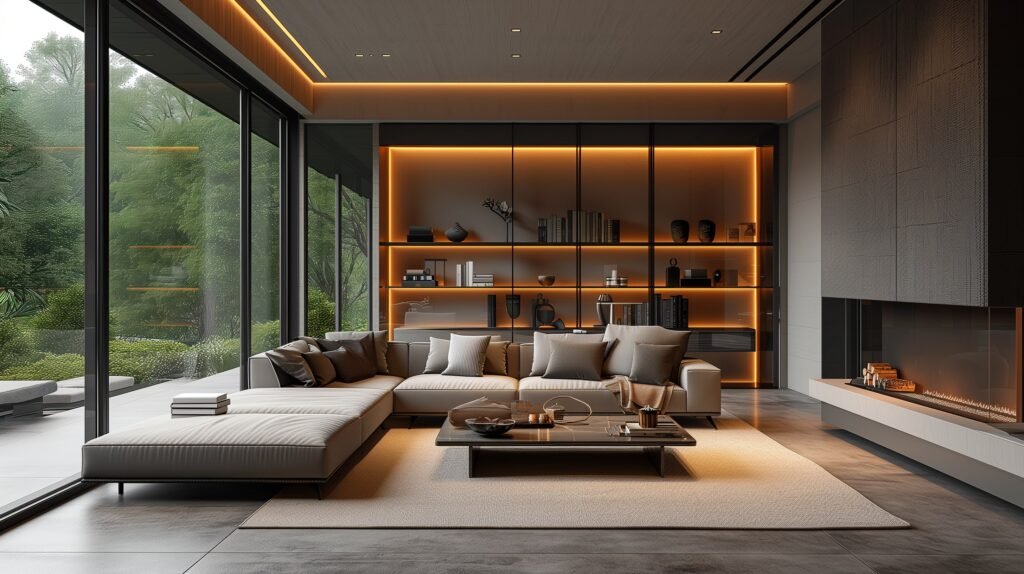
In a world characterized by constant visual and sensory noise, minimalist architecture offers a profound sanctuary. It is a design philosophy that strips away the superfluous, focusing with intense precision on the essential elements of light, space, and volume. Minimalism is not merely regarding the absence of ornamentation; it is the absolute mastery of proportion and the careful curation of materials. When executed correctly, a minimalist interior does not feel cold or empty; it feels expansive, calm, and intellectually liberating. It is an architecture of silence, allowing the beauty of the natural world and the changing light of the day to take center stage.
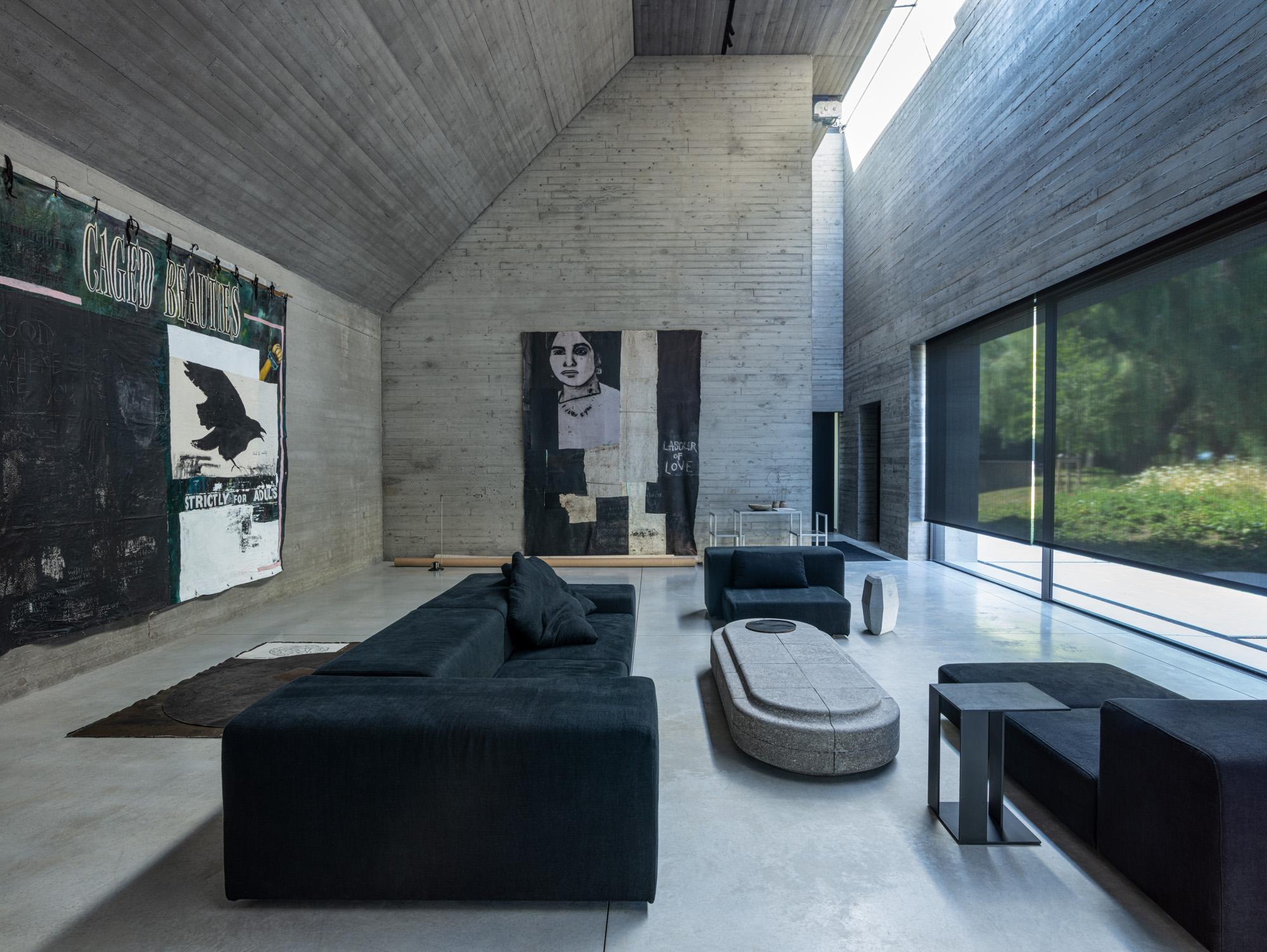
The mastery of light, space, and material creates an environment of profound intellectual sanctuary.
The Rigor of Restraint
Creating a successful minimalist space requires a level of rigor and discipline that is far more demanding than traditional decorative styles. Without moldings, elaborate fixtures, or competing patterns to distract the eye, every architectural detail must be perfect. The junction between a wall and a floor, the alignment of a doorway, and the texture of a concrete surface become the defining characteristics of the room. Materials are celebrated for their innate qualities—the cool touch of honed limestone, the warmth of wide-plank Dinesen Douglas Fir, the raw honesty of exposed steel. These materials are used in broad, uninterrupted planes to create a sense of monumental calm.
Light is perhaps the most critical material in the minimalist architect’s palette. Large expanses of floor-to-ceiling glass dissolve the boundary between interior and exterior, while carefully placed skylights and clerestory windows wash the walls with ever-shifting patterns of sunlight and shadow. The architecture becomes a canvas for the passage of time, making the space feel alive and dynamic despite its apparent simplicity.
The Luxury of Void
The ultimate luxury in dense urban environments is the luxury of space—the void. Minimalist design protects this void, ensuring that the inhabitants are not overwhelmed by their possessions. Integrated, invisible storage solutions are paramount, allowing daily life to function seamlessly without visual clutter. The furniture chosen for such spaces must possess its own sculptural integrity, sitting within the room like carefully placed art objects. Minimalist architecture is a commitment to intentional living, providing a breathtakingly beautiful environment that fosters clarity, peace, and an enduring sense of freedom.